From Energy Evaluation & Feasibility Through Procurement, Delivery & Operation
Sector: Food & Drink / Industrial Manufacturing / Power & Energy Infrastructure
Client: Undisclosed
Location: Undisclosed
Contract Value: Undisclosed
Asteria International Services: Project Management | Engineering Management | Commercial Management | Construction Management | Project Controls & Risk Management
Project Overview
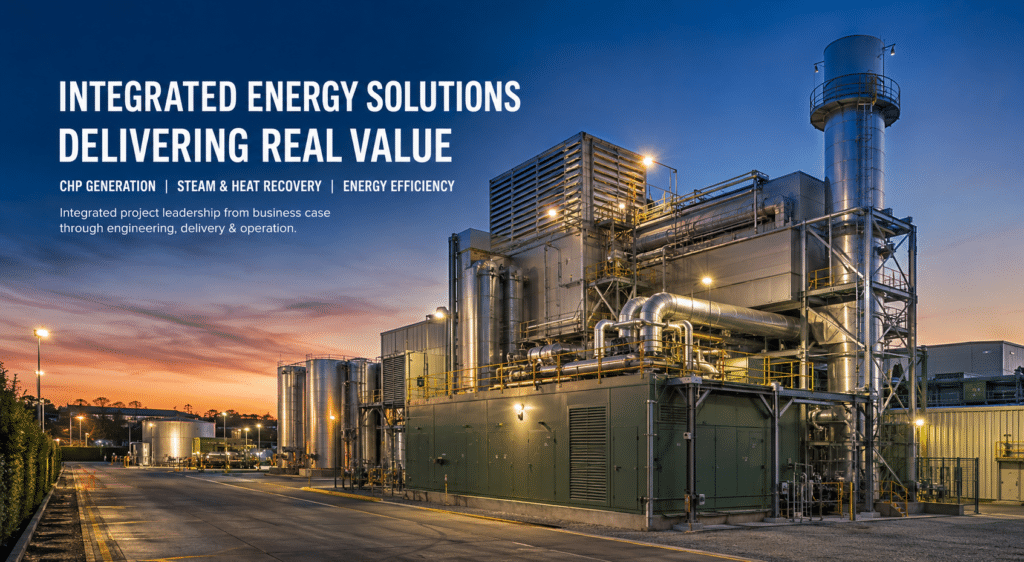
Asteria International was engaged directly by the client to investigate an energy-performance challenge within a major operational food manufacturing facility.
At the outset, there was no predetermined CHP project. The initial requirement was to understand the facility’s energy consumption, operating profile and the opportunities available to reduce energy cost and improve overall energy performance.
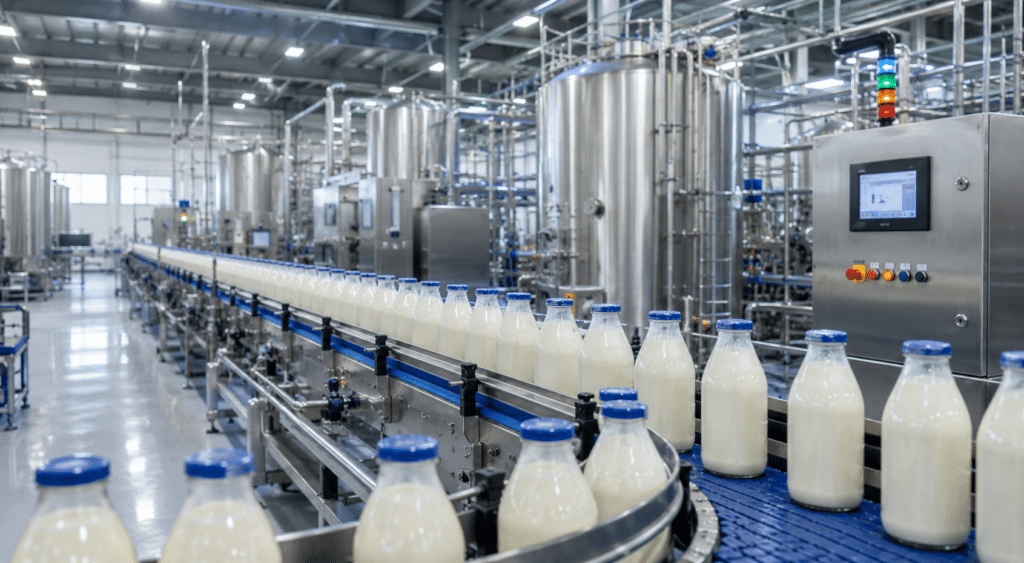
Asteria International evaluated the site’s electrical and thermal demand, including the substantial requirements associated with continuous manufacturing, refrigeration, process steam, heating and cleaning operations.
This assessment identified Combined Heat and Power (CHP) as a potentially viable solution because the facility presented the combination of sustained electrical demand and useful thermal demand necessary to support effective CHP operation.
Asteria International subsequently progressed the opportunity through feasibility and business-case development, considering CHP sizing and operating profile, electrical generation, steam and heat recovery, integration with existing infrastructure, capital investment, operating costs, projected energy savings and carbon reduction.
Following development of the business case, Asteria International continued to lead the programme through procurement using the client’s established procurement arrangements, engineering and contractor coordination, construction and installation, electrical and controls integration, commissioning and transition into operation.
The resulting programme therefore extended from identifying and evaluating the energy opportunity through to implementation of the selected solution within a live manufacturing environment.
The Challenge
The client’s initial challenge was not simply the requirement for new generating plant.
The manufacturing facility had substantial and relatively consistent requirements for both electricity and process heat, with energy consumed across continuous manufacturing processes, refrigeration, pumping, steam generation, heating and cleaning operations.
The first challenge was therefore to understand the site’s energy profile and establish where opportunities existed to improve energy performance and reduce cost.
Any proposed solution also needed to be technically compatible with an operational manufacturing environment in which reliability and continuity of production were fundamental.
Analysis of the site’s electrical and thermal requirements identified an opportunity to generate electricity on site while recovering useful thermal energy for process use.
However, identifying CHP as a potential solution was only the beginning.
The project needed to demonstrate a credible technical and commercial case before progressing into implementation. The selected solution then needed to be engineered, procured, installed and integrated with the site’s existing electrical distribution, steam infrastructure, mechanical systems, controls and manufacturing operations.
Construction and commissioning also had to be undertaken within a live production environment where interruption to manufacturing could have significant operational and commercial consequences.
The programme therefore required continuity of leadership from initial energy evaluation through feasibility, business case, procurement, engineering, construction, commissioning and operational integration.
Energy Evaluation, Feasibility & Business Case
Asteria International’s involvement began with understanding the client’s energy problem rather than evaluating a predetermined technology.
The facility’s electrical and thermal consumption profiles were assessed to understand where energy was being consumed, how demand related to the manufacturing operation and where opportunities existed to reduce imported energy and improve overall energy utilisation.
The relationship between sustained electrical demand and substantial process-heat requirements identified Combined Heat and Power as an option worthy of further development.
Asteria International then progressed the CHP opportunity through feasibility and business-case evaluation, considering the relationship between electrical generation, useful heat recovery, existing boiler and steam infrastructure, operating profile, fuel consumption, capital cost, operating expenditure and projected savings.
Analysis of the project information indicated a CHP solution capable of providing approximately 1.5 MWe of electrical generation, together with approximately 1.1 tonnes per hour of useful steam through the associated heat-recovery system.
At business-case stage, the project evaluation indicated:
- Estimated capital investment: approximately £1.85 million
- Estimated annual net energy-cost saving: approximately £385,000
- Indicative simple payback: approximately 4.8 years
- Estimated annual carbon reduction: approximately 2,400 tCO₂e
- Indicative overall CHP efficiency: approximately 80–85%
These figures represented high-level project evaluation outputs and provided a basis against which the investment could be considered alongside operational reliability, integration requirements, programme, construction risk and future energy performance.
The evaluation demonstrated that the opportunity could not be assessed purely in terms of electrical generation.
The ability to recover and productively use thermal energy was fundamental to both the technical viability and commercial performance of the proposed solution.
Developing the CHP Solution
Having identified CHP as a potentially viable option, the next stage was to develop the opportunity into a deliverable project.
Asteria International considered the relationship between the facility’s electrical demand and its requirement for process heat and steam, recognising that effective CHP performance depends upon productive utilisation of both outputs.
The evaluation therefore considered electrical demand, thermal demand, CHP operating profile, heat recovery, existing boiler operation, electrical import reduction, fuel consumption and practical integration with the manufacturing process.
CHP sizing was an important consideration.
Rather than simply sizing generation against peak electrical demand, the assessment considered the underlying operating profile and the ability of the manufacturing facility to sustain useful electrical and thermal demand over extended operating periods.
The thermal profile was equally important.
Recovered heat needed to have a productive use within the manufacturing process if the efficiency and commercial benefits of CHP were to be realised.
The assessment therefore considered how recovered thermal energy could contribute to steam and process-heating requirements rather than allowing potentially valuable heat to be routinely rejected.
This enabled the technical concept and business case to develop together, creating the basis for progression into procurement and physical delivery.
From Evaluation to Delivery
Asteria International’s role continued beyond identification and feasibility of the proposed solution.
Following development of the project case, Asteria International provided integrated leadership through procurement, engineering development, construction, installation, commissioning and operational integration.
The role encompassed:
- Client energy-requirement evaluation
- Electrical and thermal demand assessment
- CHP feasibility and option development
- Business-case development and investment evaluation
- Overall project leadership and delivery management
- Client and stakeholder interface management
- Engineering management and multidisciplinary coordination
- Programme development, management and forecasting
- Project reporting and governance
- Commercial and contractual management
- Procurement through the client’s established procurement arrangements
- Contractor and specialist supplier coordination
- Project controls and progress management
- Project risk and opportunity management
- Construction management and site delivery coordination
- Construction sequencing and logistics
- Existing-services and infrastructure interfaces
- Mechanical and electrical interface management
- CHP and heat-recovery integration
- Steam-system integration
- Electrical generation and distribution interfaces
- Controls and SCADA integration
- Shutdown and changeover planning
- Commissioning planning and management
- System-integration and performance activities
- Operational transition and handover
The role therefore provided continuity from understanding the original energy problem through development and implementation of the selected solution.
Procurement & Commercial Management
Once the technical and commercial case had been established, the project progressed into procurement and delivery.
Asteria International supported procurement of the CHP and associated project requirements using the client’s established procurement arrangements.
Procurement activities needed to remain aligned with technical requirements, project schedule, commercial considerations and construction readiness.
This was particularly important for specialist CHP infrastructure, where equipment selection and supplier requirements could directly influence electrical interfaces, heat recovery, steam generation, controls, installation and commissioning.
Commercial considerations remained connected to the wider project-delivery process.
The original business case had established the relationship between capital investment, projected energy savings, operating expenditure and anticipated project return.
As the project developed, equipment procurement, specialist packages, contractor performance, technical development, change and construction requirements all had potential commercial consequences.
The project-management role maintained visibility across these interfaces, helping retain the connection between the original investment case and the project being physically implemented.
Engineering Management & System Integration
The project required coordination across mechanical, electrical, controls and process engineering disciplines.
The CHP installation could not be considered as an isolated item of plant.
Successful operation depended upon integration with the existing electrical distribution system, heat-recovery infrastructure, steam generation and distribution systems, controls architecture and the wider manufacturing process.
Detailed engineering remained with the relevant specialist designers, manufacturers and technical organisations.
Asteria International’s engineering-management role focused on coordinating the interfaces between those organisations and ensuring technical activities remained aligned with procurement, construction, project schedule and commissioning requirements.
Electrical requirements influenced generation integration and commissioning. Thermal requirements influenced heat-recovery and steam-system development. Controls needed to interface with both new and existing infrastructure, while construction sequencing influenced when individual systems became available for testing.
The role therefore provided the connection between specialist technical activities and practical project delivery.
CHP, Heat Recovery & Steam Integration
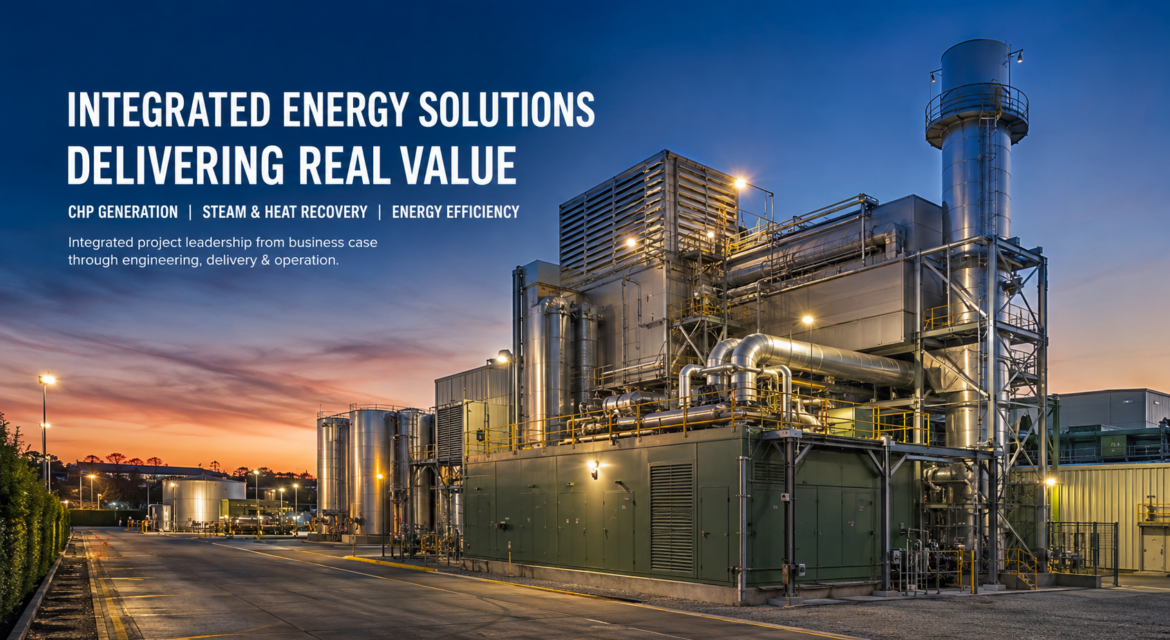
A central feature of the selected solution was the recovery and productive use of thermal energy from the CHP installation.
Rather than generating electricity independently of the site’s thermal requirements, recovered heat was integrated into the manufacturing energy system.
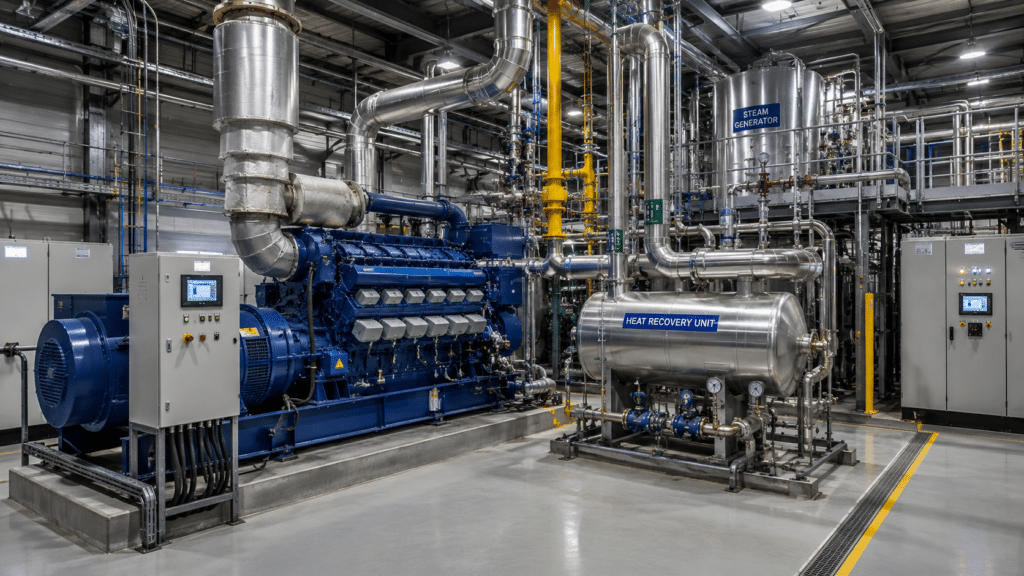
The project incorporated heat-recovery equipment and steam generation, enabling thermal energy from the CHP system to support process requirements within the facility.
High-grade energy available from the CHP exhaust provided an opportunity for useful steam generation, while lower-grade heat recovery offered further opportunities to improve overall energy utilisation.
Successful integration required consideration of both electrical and thermal operating conditions.
The CHP needed to operate within the requirements of the site’s electrical network while recovered heat needed to remain useful within the actual thermal-demand profile of the manufacturing operation.
These interfaces were coordinated alongside construction, commissioning and operational requirements as the project progressed.
Electrical Infrastructure, Controls & SCADA
Integration of on-site generation introduced interfaces with the facility’s existing electrical infrastructure, including generation equipment, switchgear, protection, metering, controls and electrical distribution.
Electrical activities needed to develop alongside the mechanical and thermal elements of the project so that the complete CHP installation could ultimately be commissioned and operated as an integrated energy asset.
Grid connection, synchronisation, protection and associated network requirements also needed to be incorporated into project planning.
Controls integration was equally important.
The CHP installation, heat-recovery systems, steam generation and associated electrical infrastructure required coordinated control, monitoring and operational visibility.
SCADA integration enabled key operating parameters to be monitored and allowed the new infrastructure to become part of the wider facility energy-management environment.
The Project Manager coordinated these interfaces between specialist suppliers, contractors and operational stakeholders within the wider project.
Construction in a Live Manufacturing Environment
Construction within an operational food manufacturing facility required careful coordination between project activities and continuing production.
Access, contractor activities, installation works, lifting operations, existing services, electrical works, steam connections, shutdowns and commissioning all needed to be planned around operational constraints.
Through the project-management appointment, Asteria International coordinated construction and site-delivery interfaces between contractors, specialist suppliers, technical teams and operational stakeholders.
Construction sequencing was considered alongside equipment availability, engineering deliverables, contractor mobilisation, shutdown opportunities and commissioning requirements.
Where works interfaced with existing operational infrastructure, the implications for manufacturing operations needed to be understood before implementation.
The objective was to progress installation and integration while minimising unnecessary disruption to production.
Planning, Project Controls & Risk
The project contained dependencies across engineering, procurement, equipment manufacture and delivery, construction, electrical and mechanical integration, controls and commissioning.
Progress within one package could therefore influence the readiness of others.
Asteria International maintained oversight of these dependencies through project planning and controls.
Engineering deliverables, procurement milestones, contractor mobilisation, construction readiness, installation progress and commissioning requirements were considered against the overall project position.
Emerging constraints could therefore be assessed for their potential effect on subsequent activities, allowing mitigation, prioritisation and recovery actions to be coordinated where required.
Risk management operated on the same basis.
Equipment and procurement dependencies, existing-service interfaces, shutdown availability, construction access, commissioning sequence, electrical integration, steam-system interfaces, controls and potential operational disruption all required consideration throughout delivery.
Commissioning & Operational Integration
Commissioning represented a critical stage because successful completion required more than demonstrating that individual items of equipment operated correctly.
The CHP package, electrical infrastructure, heat-recovery systems, steam generation, controls and existing facility systems needed to function together as an integrated energy system.
Asteria International coordinated commissioning interfaces between specialist organisations, contractors and operational stakeholders.
Mechanical completion, electrical availability, controls integration and process requirements needed to align before the complete system could progress towards operational use.
Commissioning also provided the opportunity to assess whether the relationships considered during feasibility and business-case development were translating into the intended system operation.
This maintained continuity between the original project objectives and the infrastructure ultimately being placed into service.
Operational Transition & Handover
Transition from construction and commissioning into normal operation required coordination between the project team and operational stakeholders.
The completed infrastructure was not simply newly installed equipment; it became an operational energy asset forming part of the manufacturing process.
The appointment supported coordination of outstanding works, commissioning activities, documentation, system acceptance and handover requirements as the project progressed towards operation.
This provided continuity through the final transition from project delivery into normal operational responsibility.
Project Outcome
The project progressed from investigation of the client’s original energy challenge through energy evaluation, feasibility and business-case development to procurement, engineering coordination, construction, system integration, commissioning and operation.
The selected solution brought together electrical generation, heat recovery, steam generation, mechanical infrastructure, electrical systems and controls as elements of an integrated energy solution.
At business-case stage, the evaluation indicated the potential for approximately £385,000 in annual net energy-cost savings, an indicative simple payback of approximately 4.8 years and an estimated annual carbon reduction of approximately 2,400 tCO₂e, subject to the operating assumptions underpinning the assessment.
Through the appointment, Asteria International provided continuity across Project Management, Engineering Management, Commercial Management, Construction Management and Project Controls & Risk Management, while working alongside the client’s teams, specialist designers, contractors and equipment suppliers.
The project demonstrates Asteria International’s ability to become involved before a solution has been defined — understanding the client’s energy requirements, evaluating the available opportunity, developing the technical and commercial case and then providing project leadership through implementation.
From Energy Problem to Operational Solution
The significance of the project extended beyond implementation of CHP technology.
The client began with an energy challenge rather than a predetermined solution.
Understanding the site’s energy profile established the opportunity. Feasibility determined whether CHP was technically and commercially appropriate. Project development turned that opportunity into a deliverable solution. Procurement and construction created the physical infrastructure, while commissioning and operational integration determined whether the expected benefits could ultimately be realised.
Asteria International provided continuity across that journey.
For a specialist project-delivery consultancy, this is an important example of the value of combining technical understanding, project management, commercial awareness, engineering management, construction coordination and project controls within a single client-focused appointment.
Complex Projects. Controlled Delivery.
Asteria International provides experienced project leadership for complex capital projects across energy, industrial and operational environments.
Our integrated approach brings together Project Management, Engineering Management, Commercial Management, Construction Management and Project Controls & Risk Management, supporting clients from early evaluation and feasibility through procurement, construction, commissioning, handover and operation.l and operational environments.
Our integrated approach brings together Project Management, Engineering Management, Commercial Management, Construction Management and Project Controls & Risk Management, supporting projects from early evaluation and feasibility through business case, procurement, engineering, construction, commissioning, handover and operation.